
The Importance of Fine Motor Skill Development
Kidzania Edutrip
December 28, 2023Market Day-Charity In Action
January 2, 2024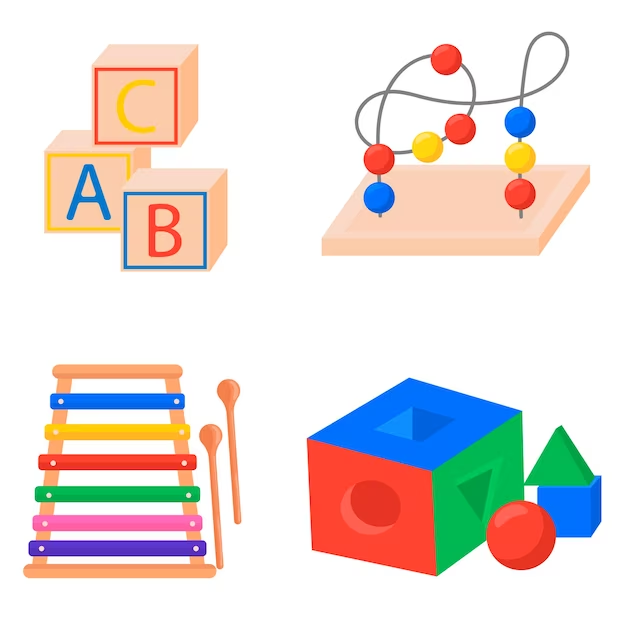
Fine motor skills are those that involve the refined use of the small muscles which control the hand, fingers and thumb. With the development of these skills, a child is able to complete important tasks such as writing, feeding oneself, buttoning and zippering. These abilities gradually develop through experience and exposure to a variety of toys, materials and even foods.
Why is fine motor skill development important? Little hands need to develop dexterity and strength. We, as parents or caregivers, can help this process by encouraging children to play, explore and interact with a variety of items. Toys, clothing fasteners, safe scissors and play dough are all tactile examples of practices that facilitate fine motor development. Even doing age appropriate tasks in the kitchen are great ways to help build fine motor skills. These types of “play” activities and manipulation skills will actually help prepare a child to hold and use a crayon. The ability to do so is the first step in learning to color, draw and ultimately write.
Here are some activities to try with your child that will help fine motor development:
Tummy Time – Your baby needs time to push up, shift from side to side and eventually swipe at objects in front of her, both on her tummy and when on her back.
Finger Feeding – Let your little one finger feed as much as possible. Picking up food with her fingers will help her develop a pincer grasp (thumb and first finger together), which is a necessary precursor to holding a crayon.
Play with Small Items – Toddlers should be encouraged to stack blocks, string beads, use one piece puzzles and play with pop beads. Children should not be left alone when playing with beads as they may be a choking hazard.
Play with Play Dough – One of the very best ways to build hand strength is to play with play dough, play foam or a similar non-toxic and malleable substance. Think resistance!
Finger Painting – Be sure to encourage finger painting, either with paint, pudding or shaving cream.
Puzzles – Simple puzzles can help children learn about manipulating objects through turning, placing and flipping pieces.
Two-Handed Tasks – Any activity that encourages your child to coordinate both hands together is a great tool for development. An example is rolling a ball of play dough into a long “snake” and then cutting it with a plastic knife.
Buttoning and Tying – Practice buttoning and unbuttoning, zippering, hooking fasteners or tying helps to build strength and dexterity. Large child-appropriate practice boards that help facilitate these activities are available in most toy stores.
Practice with Clothes Pins – Have your child hang pictures, coloring pages or clothes on a clothesline with spring loaded clothes pins. This activity builds pincer strength.
Coloring – When your child shows interest in coloring, which is usually around 2 1/2-3 years of age, be sure to provide small crayons that fit her little hands.
Look for opportunities throughout the day for your child to manipulate small items, push and pull with her hands and fingers and practice small movements. Being aware of these opportunities is the first step in helping your child develop fine motor skills. Be sure to ask your child’s teacher if there are any areas of concern with your child’s fine motor development and ask for suggestions if there are concerns. When delays are significant or impeding your child’s ability to perform age-appropriate tasks, an assessment by a pediatric occupational therapist may be necessary.
Work Cited:
“The Importance of Fine Motor Skill Development.” Penfield Building Blocks, 15 March 2020, https://penfieldbuildingblocks.org/developmental-milestones/importance-fine-motor-skill-development/. Accessed 17 July 2023.
