Adiwiyata Program Report Sekolah Harapan Bangsa Modernhill
ARTICLE OF SHB MODERNHILL SEMINAR
January 15, 2025Managing time between student council, homework, rest, and school !
January 30, 2025The Adiwiyata Program was held from Tuesday, December 3, 2024, to Friday, December 6, 2024, at Sekolah Harapan Bangsa. This program aimed to instill environmental awareness among students through various creative, collaborative, and educational activities. A total of 199 students from grades 7 to 12 participated in this initiative. The series of activities included poster creation, composing conservation-themed pantuns, crafting recycled bottle pots, creating bulletin boards, formulating classroom agreements, biopore activities, trash bin painting, planting greenery, designing plant labels, and reflection sessions. This initiative served as a concrete step toward implementing environmental education in schools. Additionally, the program provided an opportunity for students to understand the critical role individuals play in preserving their surrounding environment. The Adiwiyata Program also aimed to shape students' character, making them more environmentally conscious and responsible.
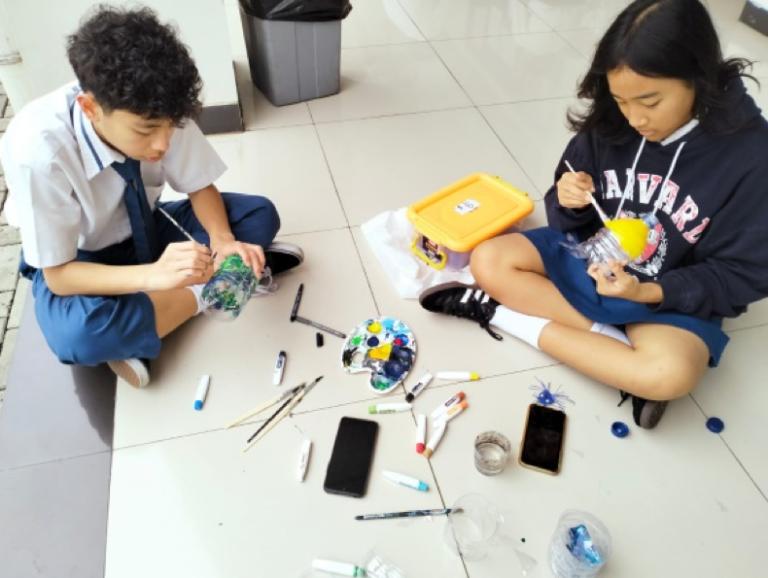
On Tuesday, the activities began with the creation of posters on water and energy conservation using Canva, followed by composing creative pantuns related to conservation. Each class was divided into teams, collaborating to produce the best poster designs. Students also crafted pots using 1.5-liter Aqua or Cleo bottles, which were decorated and perforated for drainage. These activities encouraged students' creativity while promoting the reuse of recyclable materials to reduce waste. The posters were evaluated based on creativity, theme relevance, and visual appeal, while the pantuns were displayed in strategic locations such as near water dispensers and power outlets to serve as simple reminders for the entire school community. Crafting pots from recycled bottles emphasized the principles of reducing, reusing, and recycling, which are foundational to sustainable practices.
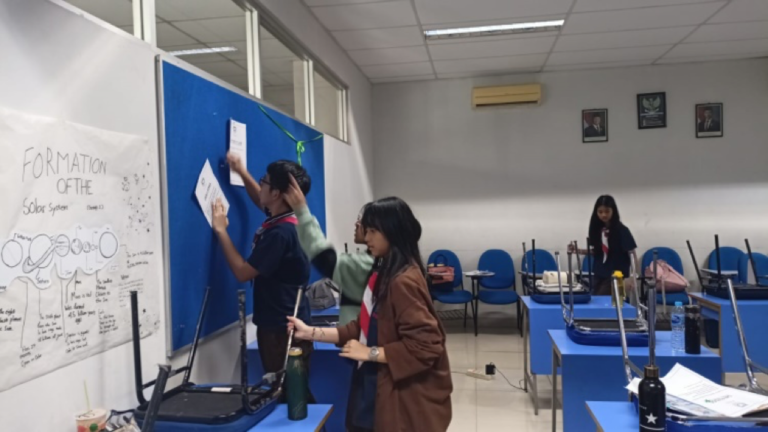
On Wednesday, students worked on environmental-themed bulletin boards featuring classroom structures and cleanliness information. Using recycled materials, they organized and decorated the boards to convey impactful messages about environmental care. Each team enthusiastically collaborated to develop creative ideas, producing bulletin boards that were displayed prominently in the hallways in front of their classrooms. This not only allowed for greater visibility and appreciation but also enhanced the visual appeal of the corridors. The activity highlighted the importance of visual communication in spreading environmental awareness and encouraged students to think critically and work as a team.
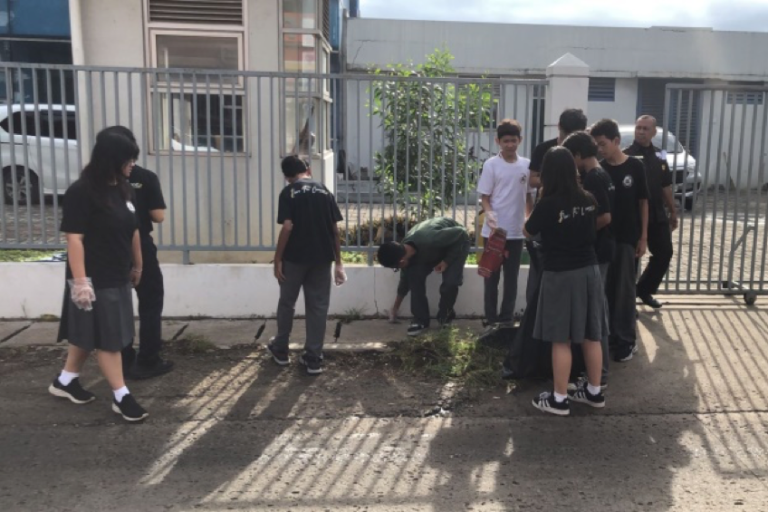
On Thursday, students participated in biopore activities and waste sorting under teacher supervision. They dug biopore holes around the school to improve groundwater absorption and reduce surface water stagnation. Alongside this, they categorized waste into organic, inorganic, and glass/metal categories and painted trash bins to distinguish between these types of waste. Each bin was painted with specific colors to represent the waste categories, making it easier for the school community to sort waste accurately. Students were guided step-by-step on how to dig biopore holes correctly and learned about their role in maintaining environmental balance. These activities deepened students' understanding of effective waste management and emphasized the importance of reducing pollution.
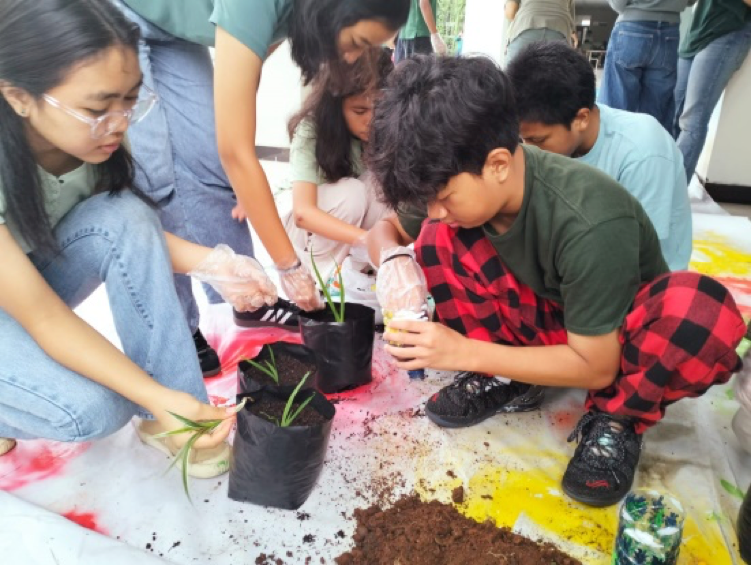
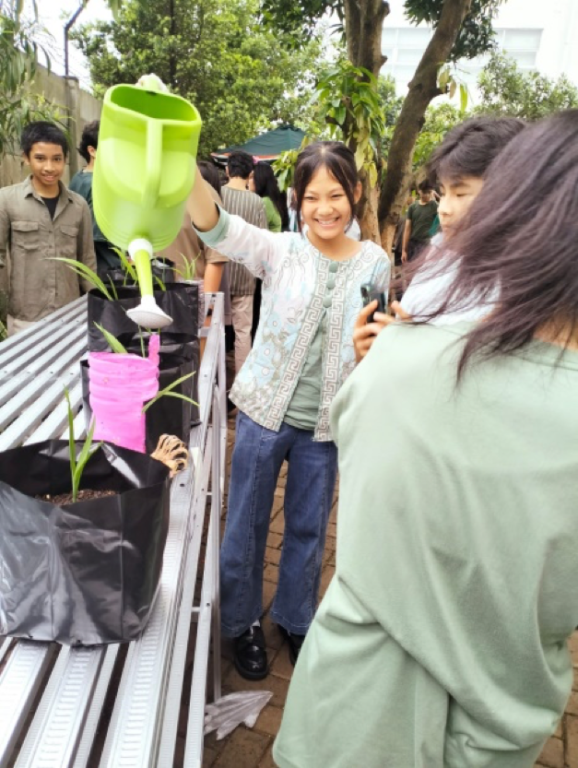
On Friday, the focus shifted to planting greenery and creating plant labels. Students worked in teams to plant seedlings in the previously crafted pots, water them, and place them in designated areas around the school. They also designed creative and informative plant labels featuring plant names and their benefits. The activity concluded with a reflection session, during which students documented their experiences and proposed actionable plans to continue their environmental efforts. This reflective process allowed students to evaluate their participation and recognize their responsibility in maintaining a sustainable environment. The plant labels not only enhanced the visual beauty of the greenery but also educated the school community about the importance of plants.
On Monday, December 16, 2024, the program continued with the creation of school-wide commitments in the school hall. During this session, students collectively formulated commitments to maintain cleanliness and comfort within the school environment. The process began with brainstorming the best ideas from each class, which were distilled into three key statements of commitment. These statements focused on maintaining cleanliness, reducing plastic waste, and preserving the school environment. The session fostered a sense of shared responsibility and ownership among students for creating a more eco-friendly learning environment. The event concluded with an award ceremony, where prizes were distributed symbolically by the Junior High School Principal, Ms. Sisilia Juni Arianti, to recognize and appreciate the students' creativity and active participation.
Overall, the Adiwiyata Program was a resounding success, receiving high levels of enthusiasm from students. The activities, including posters, bulletin boards, recycled pots, biopore holes, and plant labels, were completed creatively and effectively. Feedback from students and teachers highlighted that the program was both educational and enjoyable, fostering environmental awareness, creativity, and teamwork. This program is expected to serve as the foundation for building a culture of environmental care at Sekolah Harapan Bangsa. Through this initiative, students are encouraged to become agents of environmental change both at school and in their broader communities. The success of the program reflects strong collaboration between students, teachers, and all elements of the school.