
Responsibility in Cleaning Up
中秋节
Agustus 30, 2017MR Vaccination
Agustus 31, 2017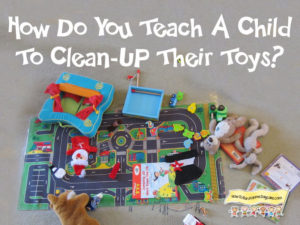 Clean up time can cause tears for all. When approached well, clean up time can be fun and teach children problem solving skills, mathematical concepts, lessons in family life, citizenship skills, responsibility, self-motivation and more. Keep reading for helpful tips, and the theories to support them, to help you establish and enjoy a consistent clean up time in your home.
Clean up time is just as important as playtime, which is why it is part of each school day. Therefore to link what your child learns in the classroom you can continue these routines at home.
You could, choose a time each day to designate for cleaning up on your family calendar. Incentives like an extra bedtime story are a healthy reward.
Observing clean up time makes it easier for children to transition from playing to cleaning, because children will come to anticipate the appropriate expectations of their abilities.
Kids will learn that:
They are expected to participate in helping jobs
The jobs required of them are reasonable
They can do their work
Work done quickly, ends quickly
It feels good to contribute to family life
Having an orderly play area helps them find their toys so they can play more
Clean up time is just as important as playtime. Children have a hard time keeping themselves from playing, because clean up time is just another form of play. During free-play, children will dump items on the ground and mix up toys. But, during clean up time kids will sort and place toys back into their original places. This means that the dinosaur toys will likely be stomping about to find their dino-friends in the appropriate bin and that they will probably be making roaring noises as they go.
Rushing children through clean up time keeps them from practicing their sorting, organizational and imaginative skills. A little play is natural and wonderful during clean up time.
Adults are notorious for making work feel like work. Kids do not see life as work, yet, and although it is important to teach a child how to get a job done, clean up time doesn’t always have to feel like a job. Sing a fun song or play music from your phone. Dance while you clean or make the job a game. Who can find all the balls? Can you slam dunk the stuffed animals back into the bin? Who can pick up 10 toys first? Give high-fives and be boisterous. If you are having fun, then children will too.
Narration is an essential communication tool, which is helpful for developing language and grammar skills as well as emotional intelligence. How is it done? Just state the obvious. Make statements about what is happening around you, but not judgments. Just because Emma, in the example to the side, is not cleaning up, this doesn’t make her a “bad girl” or “lazy”. She is just not ready yet.
Every child can clean up at least one toy each day by the age of twelve-months. Babies are not exempt from the benefits of learning to tidy up. Often, smaller children are tickled by the idea of being included in such an important routine.
When clean up time begins, tell your children how many toys they will need to clean up before being finished. If the child elects to do more, fabulous! But, children who do not complete the minimum expectation will not be allowed move on to the next activity until they do. Frame the situation as a choice. They can chose to finish and go do something else, or sit there and pout. It is their decision.
Adjust the number of toys based upon the mood of the child by assessing each child, daily. This might look like inviting a two-year to clean up more toys than a four-year old on any given day.
Also, if you are just starting out, keep the expectations low so that dread won’t set in next time you announce a clean up time. Perhaps begin with requiring three toys, and the next day move it to five toys.
Instead of handing out assignments, you can offer one to three jobs to a child and let him or her pick their preferred task. If the child can’t make up his mind, then choose for him. Chances are that this will cause the child to jump up and select the option that you didn’t pick.
If you are tempted to give in to your stomping and pouting child, keep in mind that cleaning up teaches children how to solve problems in a way that free-play does not. During free-play, the child dumps the blocks out of the bin, but during clean up time the child must figure out how all the blocks are supposed to fit back into the bin. This can be challenging for young minds.
Children also need to practice how to pick up multiple items at once and will be challenged to create efficient methods to finish their jobs more quickly. A little industrial engineering experience cannot be harmful even for a resistance child. Just remember, if you feel guilty about making your screaming child clean up, that this experience is teaching your child about perseverance– or what is popularly known as grit.
